
CAMT W11-3 3-Roller Plate Rolling Machine | Heavy-Duty Mechanical Symmetrical Metal Roller For Sale
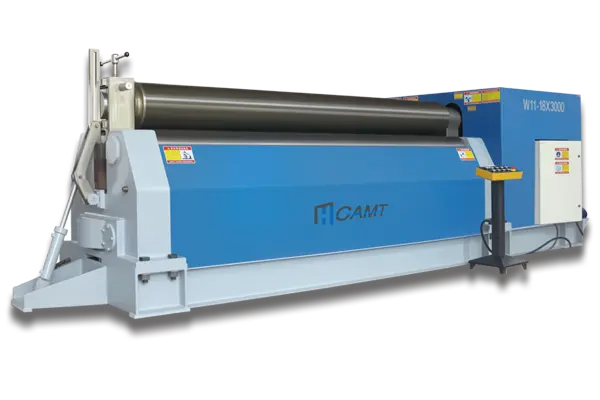
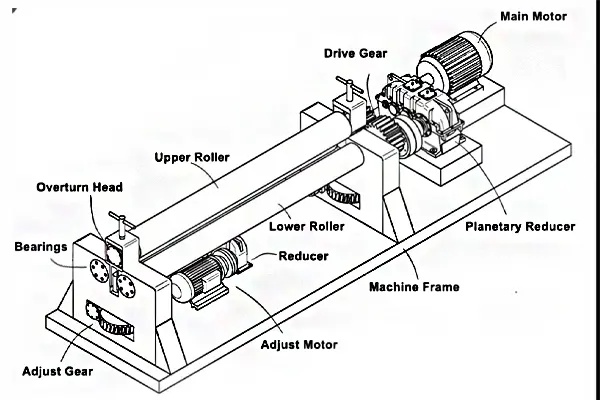
The HMS3R Series W11 is a mechanical-drive, three-roller symmetrical plate rolling machine built for everyday workshop use. The upper roller rises and lowers precisely in the center between the two lower rollers through a screw-nut and worm-gear system. The two lower rollers are the powered drive rolls — they turn and feed the plate while delivering consistent torque through the gearbox gears.
Once the cylinder or cone is formed, the upper roller can be quickly disengaged so the finished workpiece slides out without struggle. Optional motorized side rolls are available when you need to handle different sheet thicknesses or materials.
The design is deliberately simple: fewer complex hydraulics mean easier maintenance, lower running costs, and reliable performance shift after shift. Combined with high-strength 42CrMo forged rollers, the machine delivers accurate, repeatable bends at a price point that makes sense for job shops and fabricators who need production capability without overspending.
W11-3 Roller Plate Rolling MachineSpecification
| Model | Max. Bending Thickness (mm) | Max. Bending Width (mm) | Yield Limit (MPa) | Coiling Speed (m/min) | Top Roller Diameter (mm) | Bottom Roller Diameter (mm) | Central Distance (mm) | Main Power (kW) |
|---|---|---|---|---|---|---|---|---|
| W11-4×1500 | 4 | 1500 | 245 | 5 | 150 | 140 | 200 | 4 |
| W11-4×2000 | 4 | 2000 | 245 | 5 | 160 | 150 | 220 | 4 |
| W11-6×1500 | 6 | 1500 | 245 | 5 | 160 | 150 | 220 | 4 |
| W11-6×2000 | 6 | 2000 | 245 | 5 | 170 | 160 | 220 | 5.5 |
| W11-6×2500 | 6 | 2500 | 245 | 5 | 180 | 170 | 250 | 5.5 |
| W11-8×1500 | 8 | 1500 | 245 | 5 | 170 | 160 | 220 | 5.5 |
| W11-8×2000 | 8 | 2000 | 245 | 5 | 180 | 170 | 250 | 5.5 |
| W11-8×2500 | 8 | 2500 | 245 | 5 | 240 | 180 | 280 | 7.5 |
| W11-12×2000 | 12 | 2000 | 245 | 5 | 240 | 180 | 280 | 7.5 |
| W11-12×2500 | 12 | 2500 | 245 | 5 | 280 | 220 | 320 | 11 |
| W11-12×3000 | 12 | 3000 | 245 | 5 | 280 | 220 | 360 | 11 |
| W11-16×2000 | 16 | 2000 | 245 | 5 | 260 | 220 | 320 | 11 |
| W11-16×2500 | 16 | 2500 | 245 | 5 | 260 | 220 | 320 | 11 |
| W11-16×3000 | 16 | 3000 | 245 | 5 | 260 | 220 | 320 | 11 |
| W11-20×2000 | 20 | 2000 | 245 | 5 | 260 | 220 | 320 | 11 |
| W11-20×2500 | 20 | 2500 | 245 | 5 | 260 | 220 | 320 | 11 |
| W11-25×2000 | 25 | 2000 | 245 | 5 | 260 | 220 | 320 | 11 |
| W11-25×2500 | 25 | 2500 | 245 | 5 | 260 | 220 | 320 | 11 |
| W11-30×2000 | 30 | 2000 | 245 | 5 | 260 | 220 | 320 | 11 |
| W11-30×2500 | 30 | 2500 | 245 | 5 | 260 | 220 | 320 | 11 |
| W11-30×3000 | 30 | 3000 | 245 | 5 | 260 | 220 | 320 | 11 |
| W11-40×2500 | 40 | 2500 | 245 | 5 | 260 | 220 | 320 | 11 |
Looking for more detailed specifications or a configuration that better matches your production needs? Contact our team to discuss additional parameters, customization options, or to receive a tailored quotation. We’re ready to help you find the right Plate Bending Machine solution.
Key Advantages of CAMT W11-3 Plate Bending Machine
42CrMo Solid Forged Rollers – High Hardness, Low Deformation
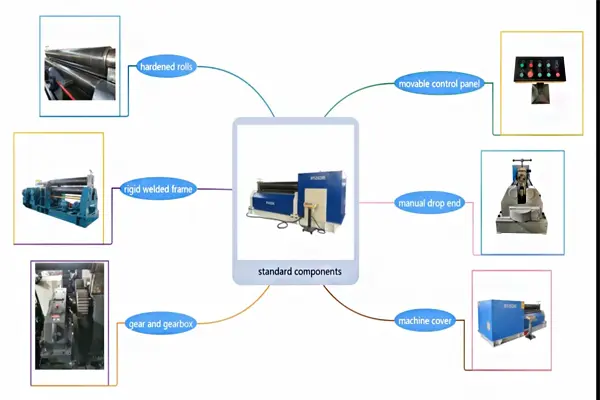
The working rollers are made from solid 42CrMo alloy steel forgings, quenched and tempered, then intermediate-frequency hardened to HRC47-58. In daily production the roller surface resists wear and indentation, so even after long runs of medium-to-thick plate the roundness stays consistent and rework caused by roller deformation is significantly reduced.
Upper Roller Disengages Quickly for Easy Unloading
After rolling is finished, the upper roller can be disengaged and lifted so the finished cylinder or cone slides out freely. One operator can remove even large-diameter or long workpieces without forcing or flipping them, cutting handling time and reducing safety risks on the shop floor.
Lower Rolls Are the Powered Drive – Steady Plate Feeding
Both lower rollers are directly driven by the gearbox and rotate in sync, delivering consistent torque. The plate feeds smoothly without slipping or drifting, so both thin and medium-thick sheets receive even bending and the risk of edge waves or excessive ovality is greatly reduced.
Pure Mechanical Drive – Lower Maintenance Cost
The machine uses a screw-nut and worm-gear mechanical elevation system instead of complex hydraulic circuits and seals. Routine care is limited to regular lubrication, failure points are few, and ordinary workshop staff can handle most repairs. Over time, spare-parts and downtime costs stay noticeably lower than hydraulic models.
Optional Motorized Side Rolls for Wider Plate Range
Motorized side rolls can be added to the standard machine for pre-bending and for handling different thicknesses and materials. When rolling cones or irregular plates, the side rolls help control the plate edge, reduce manual assistance, and improve first-pass success rate.
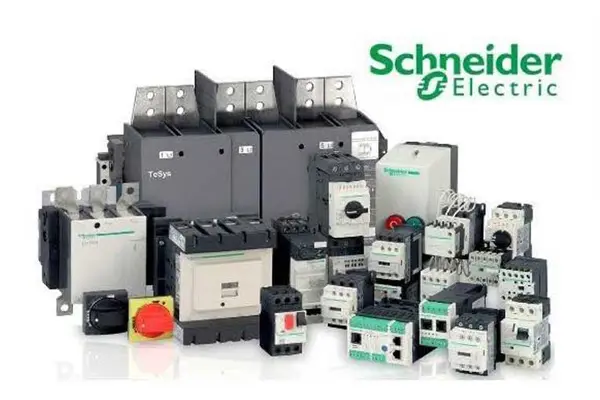
Schneider Electric Components – Stable Running, Fewer Stops
The electrical system uses Schneider brand components with clean, well-organized wiring. Motors start smoothly and control response stays reliable in daily production, cutting unexpected downtime caused by electrical faults and helping the workshop maintain continuous operation.
Working Roller
The working rollers are the heart of the machine. Their quality directly decides how long the machine lasts and how accurate every bend will be.
We use solid 42CrMo alloy steel forgings for every roller. After forging and rough machining, the rollers are quenched and tempered to HB240–300. Then the working surface receives intermediate-frequency hardening to HRC47–58, following the JB/ZG4289-86 roll steel standard.
In real production this means the roller surface stays hard and resists indentation even when you run medium-to-thick plate day after day. Roundness holds steady, wear stays low, and you spend less time replacing rollers or correcting out-of-round parts.
Electrical System of Rolling Machine
Safety & Stability
The electrical system uses Schneider Electric components throughout. Wiring is laid out cleanly and logically, so faults are easier to find and less likely to occur in the first place.
Motors start and run smoothly with low noise. Control response stays consistent during daily production, which means fewer unexpected stops and less downtime on the shop floor. The overall setup protects both the operator and the machine’s critical parts, while the robust motor design helps the machine maintain stable performance over long service life.
Stepper Motor ⇨ Planetary Gearbox ⇨ Working Roll
Roller Rotation
Power flows from a stepper motor through a planetary gearbox directly to the working rolls. The three-roll symmetrical layout keeps contact pressure evenly distributed across the plate, giving strong and consistent traction during rolling.
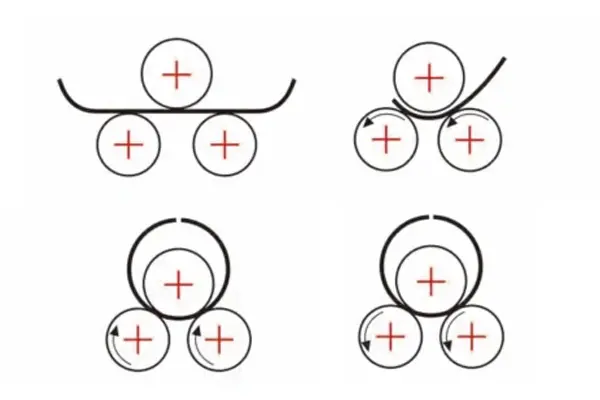
The upper roll moves vertically to apply the bending force, while the two lower rolls turn forward and backward to feed the material through the machine. Self-aligning bearings on the upper roll run with low resistance. They support the roll firmly and keep the sheet from slipping sideways, so the plate tracks straight and the finished cylinder stays true.
How the Machine Rolls Plate
Roller Rotation
The upper roller rises and lowers exactly in the center between the two bottom rollers. This movement is driven by a screw-nut and worm-gear system, giving the operator precise control over the bending force.
The two bottom rollers are the main drive rolls. They receive power through the gearbox output gear that meshes directly with the roller gears, delivering steady torque to the plate as it is fed through the machine.
The overall design stays compact and mechanical, so daily operation and routine maintenance remain straightforward. An extended shaft is also available, allowing the same machine to bend profiles such as angles and channels when needed.
Related Products
FAQs When Purchase W11-3 Roller Plate Rolling Machine
What is the maximum plate thickness and width this machine can roll?
Can this machine perform pre-bending?
Can it roll stainless steel or aluminum plates?
What is the typical delivery time?
What after-sales support and spare parts availability do you offer?
Is the machine CE certified and suitable for the European market?
How much floor space and power supply does the machine need?
Can it roll cones, or only cylinders?
What is the warranty period and what does it cover?
Does operating this machine require high skill? Is training difficult?
Have more questions, or need a customized Plate Bending Machine solution?
Contact our team for detailed advice, technical support, or a tailored quotation. We’re ready to help you find the right configuration for your production needs.