What a Duct Shop Actually Cuts
A duct floor does not run a stable part family. One commercial job can contain straight sections, an offset elbow, a rectangular-to-round transition, branch take-offs, damper plates, access doors and flanges — each cut from a developed flat pattern written against a field measurement. Galvanized sheet dominates; stainless serves kitchen extract and cleanrooms; aluminum appears where weight drives the specification. All are thin enough that flatness and heat input matter more than raw cutting power.
Gauge, seam type, reinforcement spacing and leakage class come from the project specification and industry standards, not the machine — they are fixed before anyone writes a nest. SMACNA’s technical standards is where specifiers start; read the document your contract names, not a supplier summary.
| Duct part family | What the flat pattern has to get right | What fails at the assembly bench |
|---|---|---|
| Straight panels and covers | Blank length after bending, corner notch depth, damper hole grid | Gaps at the corner, flanges out of square, doors that will not seat |
| Flanges, connector strips, corner pieces | Hole pitch, slot width, notch depth for the chosen seam system | Bolts that need enlarging, corners that crack when rolled |
| Elbows, reducers, square-to-round transitions | Unfold of conical or warped surfaces, trim allowance at both ends | One end fits while the other gaps; extra sealant and hand fitting |
| Grille frames, damper plates, perforated panels | Dense pierce arrays, hole position drift, flatness after cutting | Last row of holes walks, panel will not lie flat at the brake |
| Brackets, hangers, reinforcement plates | Small-part retention, shared-edge permission, remnant reuse | Parts tip into the slats, tabs tear the measuring edge |
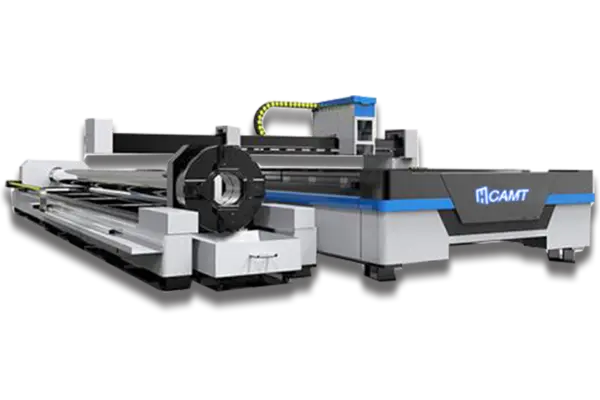
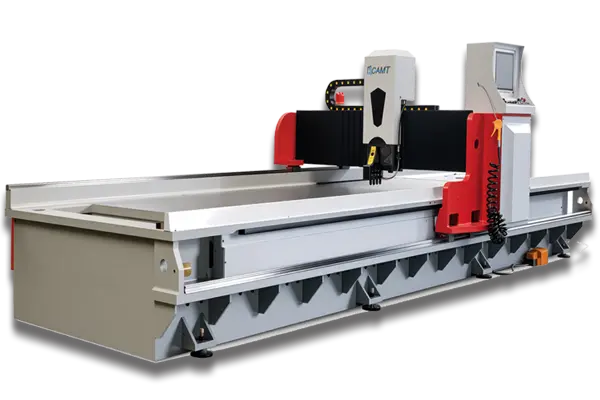
Job mix, not a headline power rating, decides the equipment question. The laser cutting machine range splits into open-table, enclosed exchange-table and tube configurations, and that split matters more to a duct shop than any single figure on a datasheet.
How laser cutting impacts edges across galvanized, stainless, and aluminum
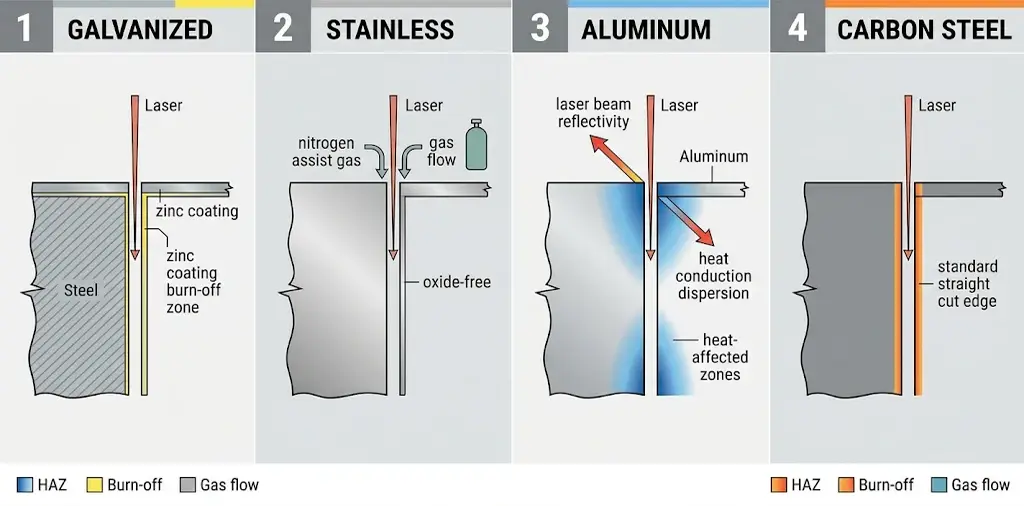
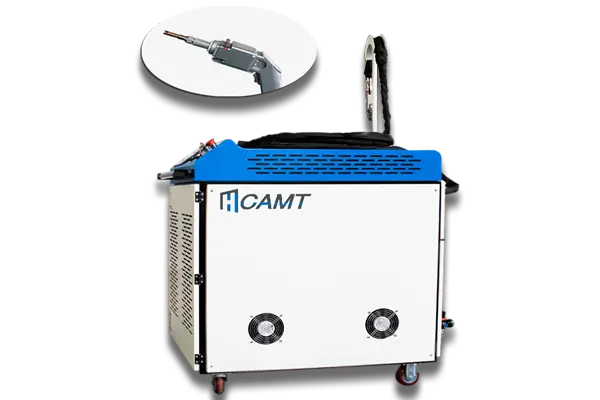
Galvanized sheet is not mild steel with a surface finish. The narrow band of zinc lost at the cut stops being cosmetic as soon as the part is welded, coated or installed in a corrosive environment. Settle three things on the drawing before the first nest: whether the seam covers that edge, what touch-up is specified, and who qualifies the joint. Portable laser welding equipment can handle field repair and edge touch-up, but it does not turn coating loss into a non-issue.
Stainless for kitchen extract and cleanrooms needs heat input and assist gas controlled so the edge stays free of oxide that would interfere with welding or cleaning; nitrogen is commonly chosen, but qualify the route on your own grade and thickness. Aluminum appears where weight matters, and its reflectivity and thermal conductivity make source, head protection and parameters qualification items. Carbon steel brackets are the least demanding — and teach habits that do not transfer to coated sheet.
Fume, ventilation, filtration and fire arrangements for coated materials are configuration questions to be confirmed in writing by the supplier and the site EHS function before acceptance; we do not assert compliance on your behalf. OSHA’s general-industry machine guarding standard is the guarding reference point, not a substitute for a local assessment. Run cutting trials on production-grade material, not demonstration coupons.
Laser vs Shear vs Punch: What Each Still Earns
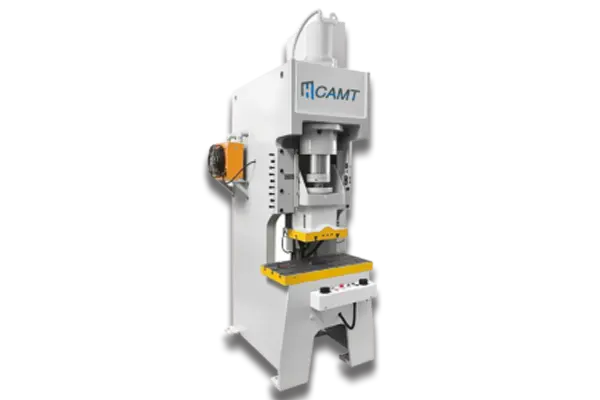
Most duct shops already own a hydraulic shear and a mechanical punch. The useful question is not which technology is better, but which family of work moves onto the laser and which stays where it is.
| Work on the floor | Best fit | Why | Check before moving it |
|---|---|---|---|
| Long straight blanks, high volume | Hydraulic shear | Fastest and cheapest per straight cut | Keep the shear; do not spend laser-on hours here |
| Stable standard hole grids, repeat runs | Mechanical punch | Dedicated tooling is productive once the pattern is fixed | Keep it while the hole pattern stays unchanged |
| Custom fittings, transitions, irregular notches | Fiber laser | One program, no die to manufacture | Confirm the unfold rule for each fitting family |
| Frequent hole-position or cutout changes | Fiber laser | Edit the CAM file, not the tooling | Version the program revision with the pattern |
| Coated thin sheet with dense perforation | Fiber laser, after a trial | Contours and holes in one setup | Prove flatness and heat order on a first-off coupon |
An exchange table does not make a shear obsolete. If many of your sheets are simple rectangular blanks, those hours are cheaper on the shear; a shop that keeps both usually gains more than one that replaces the whole line. Raise it with any supplier whose proposal assumes the laser takes every job.
Where Duct Jobs Really Fail
Before forming, a duct fitting exists as a two-dimensional layout. A 2025 Sheet Metal Industries article on flat pattern development describes it as the cut shape that tells the machine where to fold, punch or trim, names HVAC ducts and vents among the parts laid out flat first, and flags bend allowance, K-factor, grain direction and default CAD settings as the usual failure points.
That gives the whole problem in one sentence: a laser can only reproduce the flat blank it is fed. When a flange lines up but the duct is out of square, or a lock seam rolls open three weeks into a run, the machine has usually done exactly what the pattern asked. Six failures account for most of the rework seen on duct floors:
| What shows up at assembly | What the laser controls | Where the cause usually sits | What belongs on the drawing |
|---|---|---|---|
| Flanges line up but the duct is out of square | Contour geometry, kerf consistency | Pattern unfolded with the wrong inside radius or neutral-axis rule for the actual gauge | Bend allowance, inside radius, which unfold engine |
| Lock seam will not close, or rolls open later | Notch geometry, edge straightness | Notch allowance sized for a different seam type or gauge | Seam type, notch width, which edges are seam edges |
| Transition fits at one end, gaps at the other | Contour repeatability across the batch | 3D model unfolded by an engine that does not use the shop's fold rules | Which unfold engine, which fold rules, trim allowance |
| Damper or access-door holes drift across a run | Hole position, thermal movement of the panel | Pierce count and pierce order on a perforated array | Pierce sequence, exclusion zones, acceptable drift |
| Part measures in tolerance but still will not assemble | Nothing on the machine | Fit and tolerance chain accumulated across mating pairs | Assembly clearance and inspection datum, kept separate from cutting tolerance |
| Edge looks clean, coating fails after welding | Edge condition and oxide | Zinc lost at the cut edge and an unqualified downstream process | Coating or touch-up clause and who qualifies the joint |
Five of these six rows are settled before the nest is released; the sixth is an inspection question. None is fixed by a faster cutting head. Program revisions, unfold rules and parameter libraries should therefore be versioned and handed over with the machine rather than living in one operator’s head; that versioning is part of our software support scope.
Managing sheet metal allowances and verifying the first-off fitting
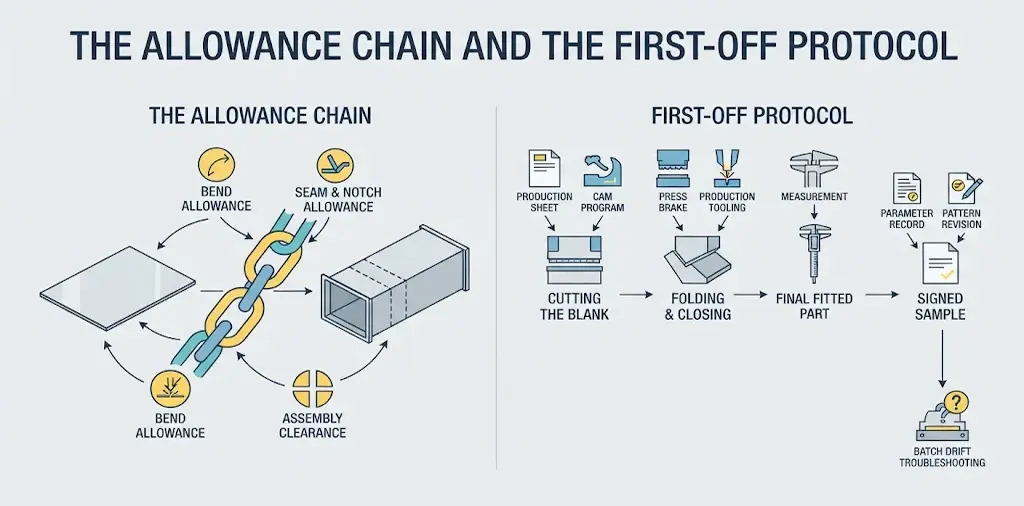
Four allowances share one flat blank and are not one number: bend allowance for material stretched over a radius; seam and notch allowance for the closure the shop actually runs; kerf compensation for material the beam removes; and assembly clearance for the gap that lets folded parts slide together. Merge two into a fudge factor and the next gauge change silently rewrites the fit.
A 2023 Sheet Metal Industries overview of forming, prepared with Alroys Sheet Metal describes bending as producing V, U or channel shapes along a straight axis and names ductwork as an example. For whoever writes the pattern, that means the unfold rule belongs to a specific material, gauge, radius and forming method, not a global CAD default.
Ownership of the blank must be settled before production: detailing office, CAM programmer or controller, with one layer applying any offset and that decision recorded. If two groups each fix the drawing, nobody can reproduce the first-off. Cutter-compensation geometry is a separate subject; this article stops at who owns the blank.
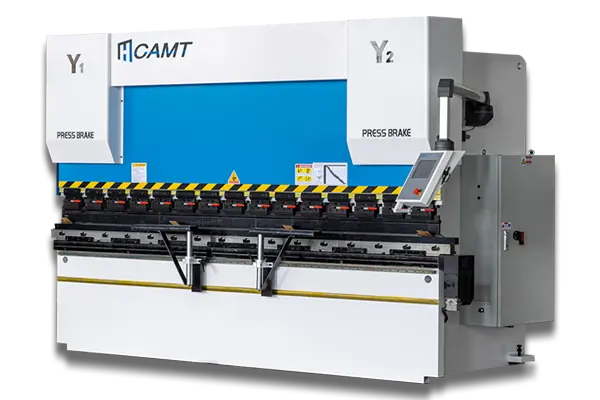
Run the first-off protocol on one fitting from a real job. Cut it from the same parent sheet, fold it on the production brake, close the seam with production tooling, then measure the assembled part against the project requirement before releasing the nest. Keep the signed sample with its parameter record and pattern revision; when a batch drifts weeks later, those three artifacts are the only way to tell whether the pattern, the recipe or the machine state moved. The bend-side half is covered in our sheet metal bending guide, and forming capacity in the CNC press brake range.
Heat, Shared Cut Lines and Remnants

Duct blanks are long, narrow and lightly supported; damper plates and grille frames add dense perforation arrays. Every pierce is a full-energy event at one point, contours deposit heat along their length, and corners decelerate. On a thin panel the result is a blank that will not lie flat at the brake, or a hole pattern that has walked by the last row.
Treat cut order and retention as program-level rules: inside features first, rotate zones so heat is not parked in one corner, keep the skeleton strong, outer contour last. Distribute microtabs so a part snaps off without tearing the measuring edge, and size them from test cuts on the actual gauge rather than a vendor blog table. Group jobs by material type and thickness so one recipe revision covers one nest. Gauge and coating changes rewrite that recipe, so make the shift handover an explicit item in operator training. The mechanisms behind thin-sheet warping are covered in a separate guide.
Common-line cutting is genuinely valuable on duct work because rectangular blanks nest densely. A shared line leaves both neighbors with the same physical edge. That is fine for rough blanks; it is not fine when that edge becomes a seam flange, an assembly datum or a notch with a required width. Mark shareable and independent contours in the CAM file before release, and make the marking part of the pattern revision: a nesting algorithm optimizing yield cannot know which edge your lock former grabs. Nest the flat blank, not the three-dimensional fitting, and track remnants explicitly. Duct work generates long offcuts that are worth more as the next job’s brackets than as scrap.
Choosing a Configuration
Choose the working area from the largest sheet you run regularly, not the one-off job. The model sheet for the configuration ordered, with its revision date, is the authority on working area, power range and table type; a family overview is not a specification table.
Choose power from the thickness you process most often plus the occasional maximum you actually need. A shop running thin galvanized sheet gains more from stable thin-sheet performance, program flexibility and short loading cycles than from the highest available source. Ask for sample cuts on your own material and thickness, and keep the parameter record that produced them.
Open or enclosed is a batching and protection decision. An open-type single-table machine gives straightforward access for high-mix, short-run work. An enclosed exchange-table machine contains fume and sparks and lets an operator prepare the second table while the first is cutting — which only pays back when loading and unloading are a measurable share of the cycle.
Round and spiral duct changes the geometry problem: branch take-offs, saddle cutouts and damper openings sit on a curved surface. Decide the share of round work before you buy. If it is material, a tube laser belongs in the comparison rather than a flat-sheet table with a rotary workaround.
Support travels with the machine, not the brochure. Confirm installation and commissioning, remote troubleshooting from machine logs, nozzle, lens and consumable availability, and a recalibration and upgrade plan before comparing prices. Those four items are where a low headline price usually reappears as downtime in year two.
What We Will Not Claim, and the RFQ Checklist
We will not claim a cut-edge quality class for your material, a material-utilization percentage, a fume-extraction performance figure or an assembly fit without a first-off part made on your brake with your seam tooling. Those are outcomes of your drawing, your material and your process, and they belong in a written acceptance test rather than a brochure.
Before you compare quotations, put these six questions in front of every supplier:
- Which unfold engine and neutral-axis rule produced the flat blank, and who signs the first-off?
- Which seam type, notch width and gauge was the parameter library qualified on, and what changes when we switch?
- What working area, power range and table type appear on the model sheet for the configuration quoted, with its revision date?
- Which fume, filtration and guarding arrangements are included, and who confirms them in writing with our EHS function?
- What is covered in installation, parameter handover, consumables and log-based diagnosis for the first year?
- Will you cut one developed pattern from our own galvanized sheet, fold it on our brake and close it with our seam tooling before acceptance?
Send the developed pattern, the seam standard and your three highest-volume fitting families through our contact page to request that first-off proposal on your material. A quotation that answers these six in writing is easier to compare than one that quotes a cutting speed.
Frequently Asked Questions
Can a fiber laser cut galvanized steel for HVAC ductwork?
Yes, within the rated material and thickness range, but the cut edge loses its zinc and the fume arrangement has to be confirmed in writing before acceptance. Treat it as a configuration and drawing question, not a yes-or-no material claim. See the materials section above.
Can laser cutting replace our punch and shear?
Not wholesale. High-volume straight blanks stay cheaper on the shear, and a stable standard hole grid stays productive on the punch. Move custom profiles, transitions and frequently changing hole patterns; keep the rest. The comparison table gives the split.
Why do laser-cut fittings still fail to assemble?
Most often the flat pattern, not the cut edge: a wrong inside radius, a notch sized for a different seam, or a shared contour on what should be a seam edge. Work down the six-row failure table, then run the first-off protocol before releasing the nest.
Is a high-power laser necessary for thin duct sheet?
Rarely. Start from the thickness you run most often, then judge stable thin-sheet performance, program flexibility and loading time. A higher source does not move a rework or denesting bottleneck; the cost section shows which term it would actually change.
Does common-line cutting always save sheet on duct nests?
Only when both neighboring parts can accept the same physical edge. Seam flanges, assembly datums and notches with a required width need independent contours. Mark them in the CAM file, because a nesting algorithm cannot infer which edge your lock former grabs.
What should I send a supplier before asking for a quote?
A developed pattern from a real job, the seam standard you run, your gauge range and your three highest-volume fitting families. Add the six questions in the RFQ checklist; together they make competing proposals comparable on your parts rather than on a demo coupon.